Frequently Asked Questions about Mold Testing and Inspection
What does a professional mold inspection include?
A professional mold inspection includes a full visual evaluation of the property, moisture and humidity readings, and the collection of air or surface samples for lab analysis. A detailed report with findings and recommendations is also provided.
Do you offer mold remediation services?
No. We believe a conflict of interest exists when a company performs both an inspection and the remediation. We are strictly a mold testing company who can offer you an objective assessment with no incentive to determine if you need professional remediation.
How do I know if I need a mold inspection?
You should consider a mold inspection if you notice musty odors, visible mold, water damage, or experience unexplained health symptoms like allergies or respiratory issues.
What if I have questions after the inspection?
Rick Bruce is available daily from 7am - 7pm should you ever have any questions. When you call Bay Area Mold Pros you will speak with the owner, not an answering service.
How much does an inspection cost?
Our thorough inspection is $595. Please view our mold services to see what is included.
What does your inspection report contain?
The written report produced by Bay Area Mold Pros will contain an explanation and recommendations regarding the moisture readings and humidity readings found. This report will also contain our visual observations and recommendations of the structure itself. The report is written in layman’s terms.
What are your credentials?
The owner, Rick Bruce, holds mold industry certificates from MICRO, Compliance Training, and is a member of the National Association of Mold Remediators and Inspectors.
Are you a locally-owned company or a franchise?
Bay Area Mold Pros is a locally-owned and operated company. We are NOT a franchise. Owner, Rick Bruce, has been a San Francisco Bay Area resident for over 60 years.
What is the difference between mold inspection and mold testing?
Mold inspection identifies where mold is growing and what’s causing it, while mold testing analyzes samples to determine the type and concentration of mold present.
How long does a mold inspection take?
Most residential mold inspections take about 45 minutes depending on the size of the property and severity of the issue.
What types of samples are collected during testing?
Samples may include air samples, surface swabs, tape lifts, or bulk material samples, depending on the situation.
Will I receive a report after the inspection?
Yes, you’ll receive a detailed written report explaining lab results, inspection findings, and recommended next steps in clear, easy-to-understand terms.
Can mold grow even if I don’t see it?
Yes. Mold often grows behind walls, under flooring, or in HVAC systems where it’s not visible, which is why professional inspection is critical.
How quickly can mold start growing?
Mold can begin growing within 24–48 hours after moisture exposure, especially in humid or water-damaged areas.
What causes mold to grow in a home?
Mold is caused by excess moisture from leaks, poor ventilation, high humidity, flooding, or condensation.
Why is it important to hire an independent mold inspector?
An independent inspector provides objective results without trying to sell remediation services, ensuring you get honest recommendations.
What areas of the home are inspected?
Inspectors evaluate both interior and exterior areas, including walls, ceilings, flooring, basements, crawl spaces, HVAC systems, roofing, and drainage systems.
Can a mold inspection help with real estate transactions?
Yes. Mold inspections are often used in home buying/selling to identify issues, negotiate repairs, or provide peace of mind.
Is mold dangerous to my health?
Certain types of mold can cause allergic reactions, respiratory issues, and other health problems, especially for sensitive individuals.
How do inspectors find hidden mold?
Inspectors use tools like moisture meters, thermal imaging, and targeted sampling to locate mold behind walls and in hidden areas.
What happens if mold is found?
If mold is detected, the inspection report will outline the severity and provide recommendations for remediation by a third-party contractor.
Can mold come back after removal?
Yes—if the underlying moisture issue isn’t fixed, mold can return. That’s why identifying the source is critical.
How soon can I schedule a mold inspection?
Many companies (like Bay Area Mold Pros) offer fast response times and may even provide same-day or next-day inspections.
Do I need to leave my home during the inspection?
No, in most cases you can remain in your home during the inspection, though inspectors may request access to multiple areas.
Do I need a mold inspection after water damage or a leak?
Yes. Any water damage—whether from a leak, flood, or burst pipe—creates the perfect conditions for mold growth. Even if everything appears dry, hidden moisture can lead to mold developing behind walls or under flooring.
How accurate are mold tests?
Professional mold testing is highly accurate when performed correctly and analyzed by certified labs. It provides objective data on mold types and concentrations, helping guide the right next steps.
Can I test for mold myself with a DIY kit?
DIY mold test kits are available, but they often lack accuracy and context. Professional mold inspectors provide not only testing but also expert interpretation, which is critical for making informed decisions.
What should I do to prepare for a mold inspection?
You don’t need to do much preparation. However, it helps to:
- Avoid running air purifiers right before testing
- Keep windows and doors closed for several hours prior
- Ensure access to areas like attics, crawl spaces, and HVAC systems
Will mold show up on a home inspection?
Not necessarily. Standard home inspections are not designed to detect mold issues in depth. A dedicated mold inspection is more thorough and includes specialized tools and testing.
How long does it take to get mold test results back?
Lab results are typically available within 24–72 hours, depending on the type of testing performed and the lab processing time.
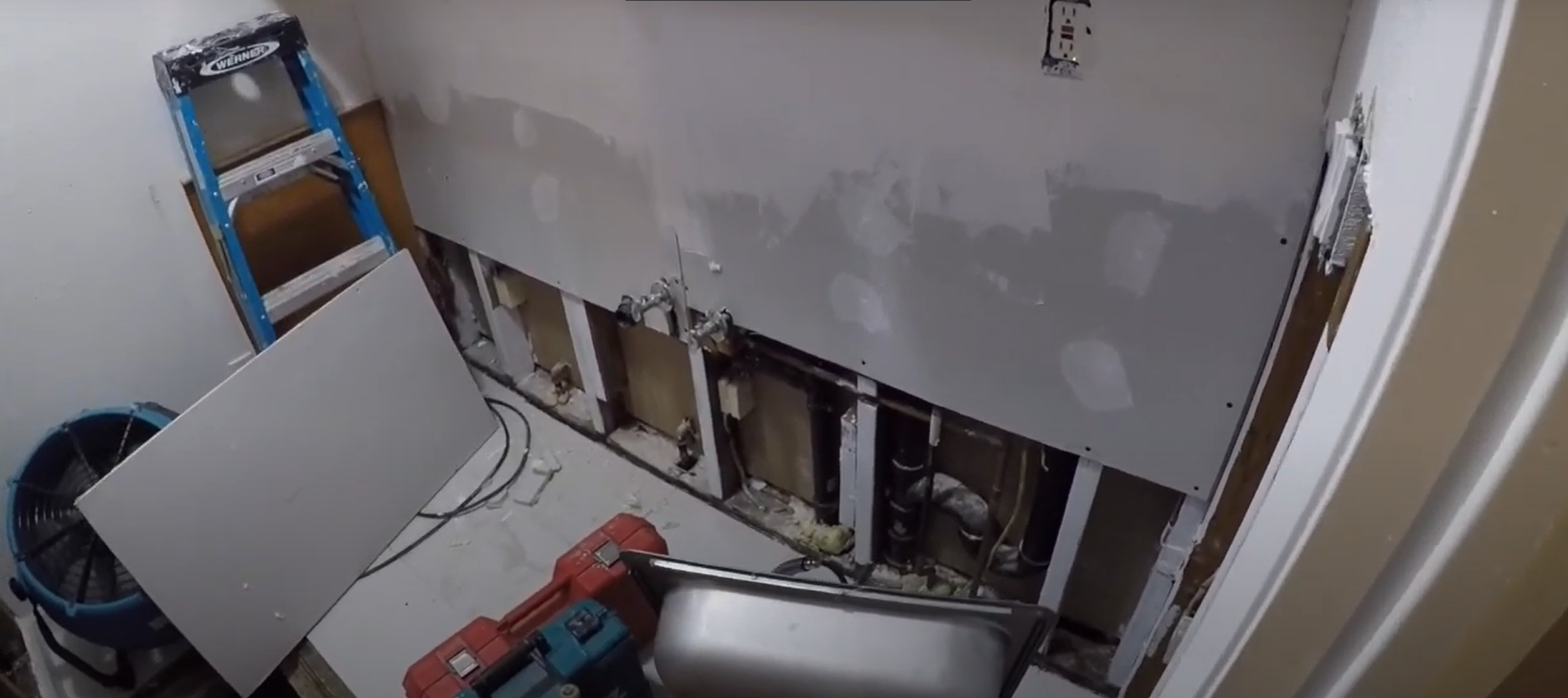
Mold Pros Standing Water
Hi, it’s Rick, from Bay Area Mole Pros. One of the most common problems we have here in the bay area has to do with the moisture beneath the home in the crawl space. This morning, I went out on
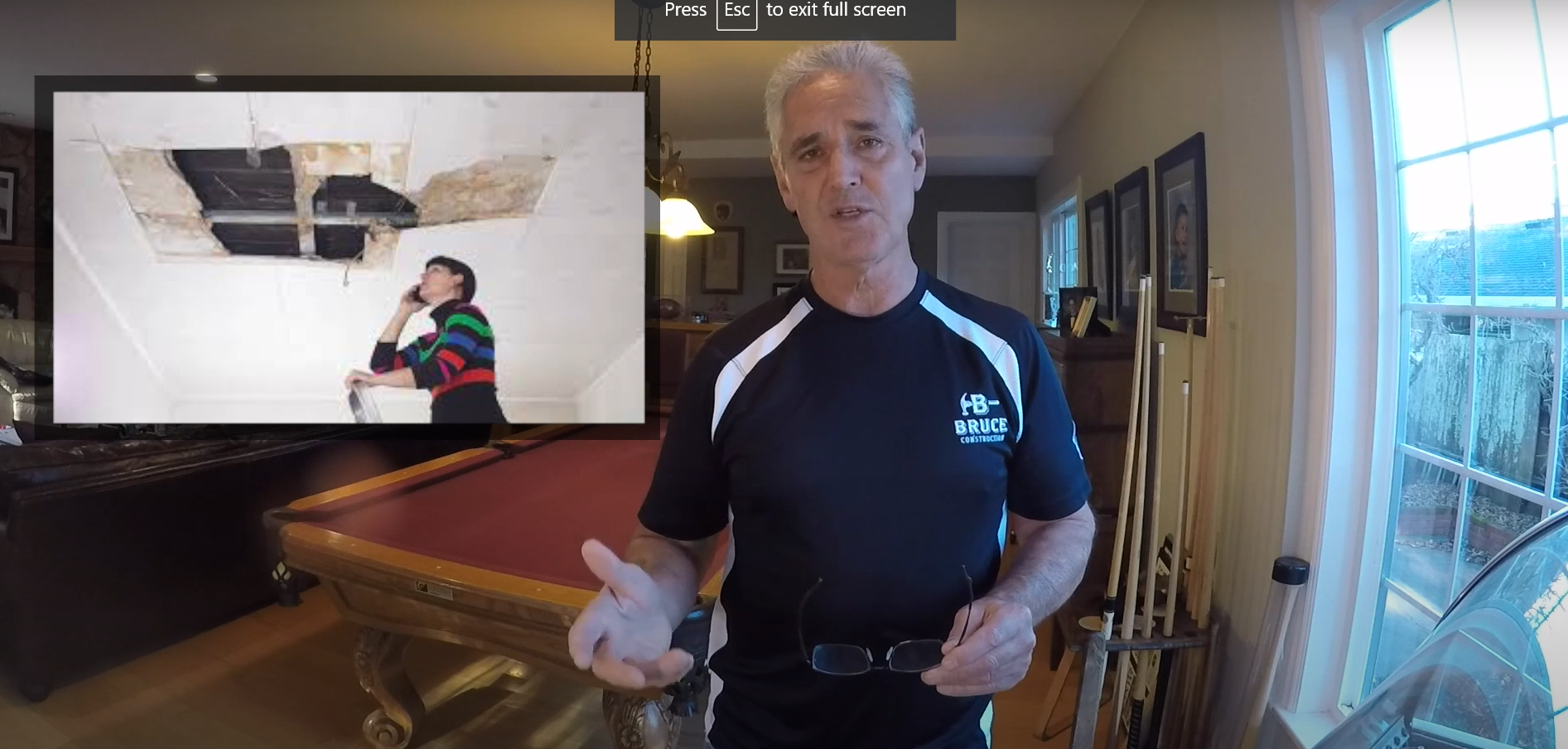
Leaky Toilet? Mold Pros can Help!
Hi, it’s Rick from Bay Area Mold Pros. What happens when your toilet overflows in your bathroom? Can this lead to mold? The simple answer is absolutely. It can. Let’s take a look at some video. I took last night
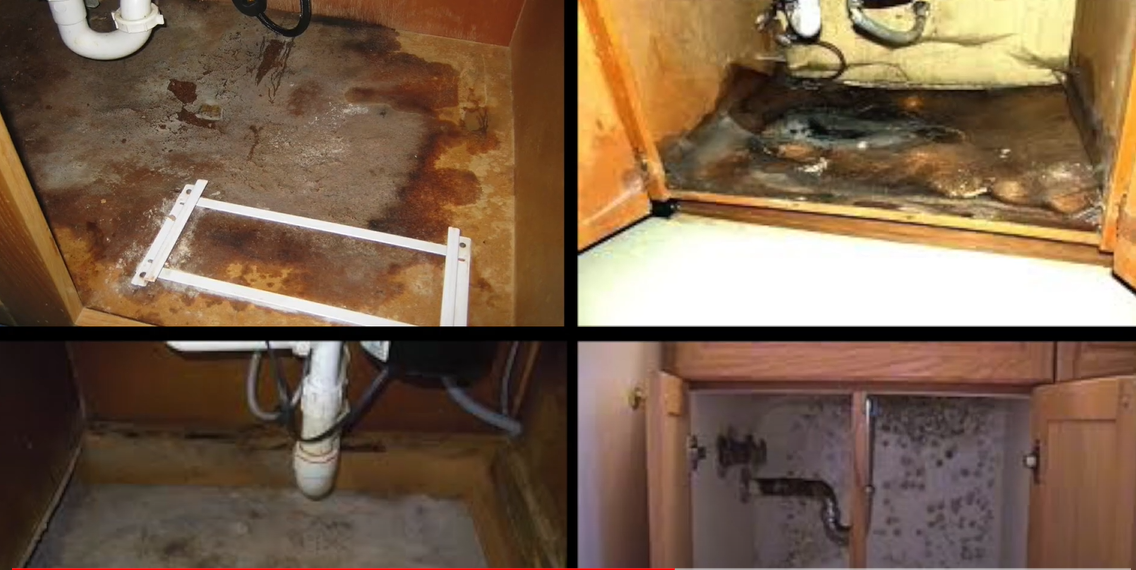
A Quick Tip to Prevent Mold Spores
Hi, this is Rick from Bay Area Mold Pros. One of the most common calls that we get from homeowners has to do with a leaky kitchen sink and the suspicion that they have mold in their home. There’s two
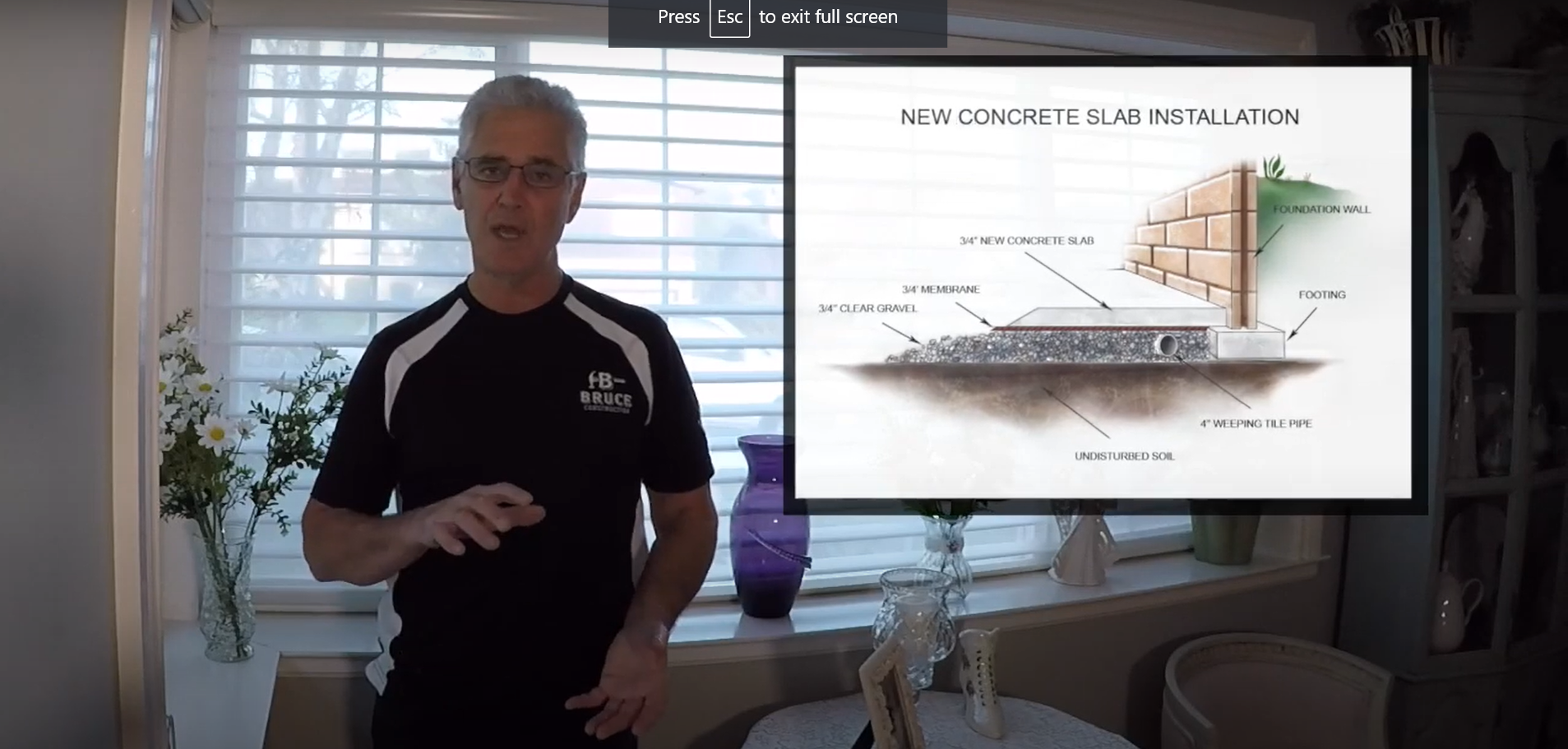
Below Grade Living Spaces
Hi, it’s Rick, from Bay Area Mold Pros this week. We’re going to take a look at some footage that I shot at a few different homes here in the bay area. And all of these homes have something in
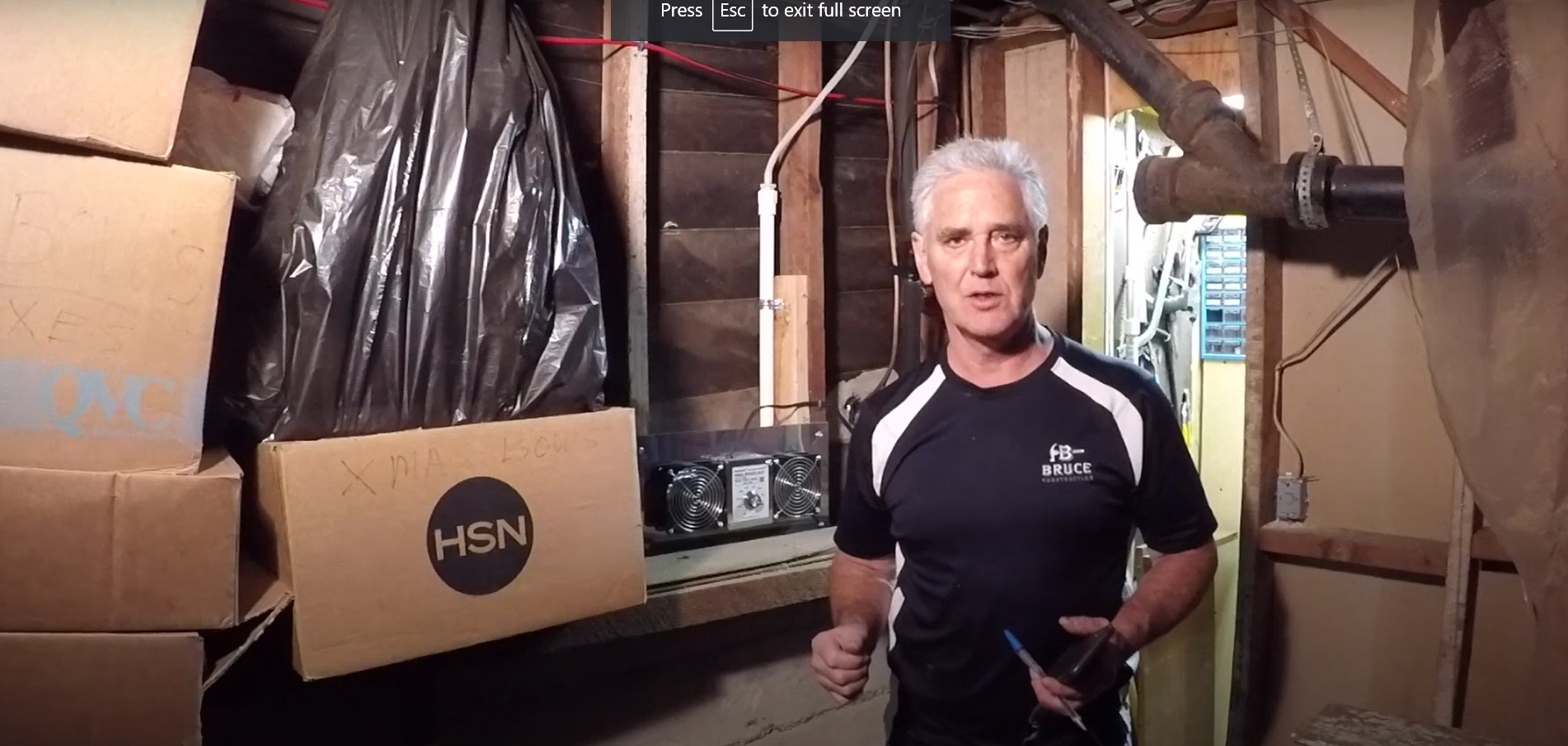
High Humidity Equals Mold!
Hi, it’s Rick of bay area mold pros. We’re going to take a look at three properties that I’ve taken some video of the first tour in San Francisco. And the last one is in the open Hills in the
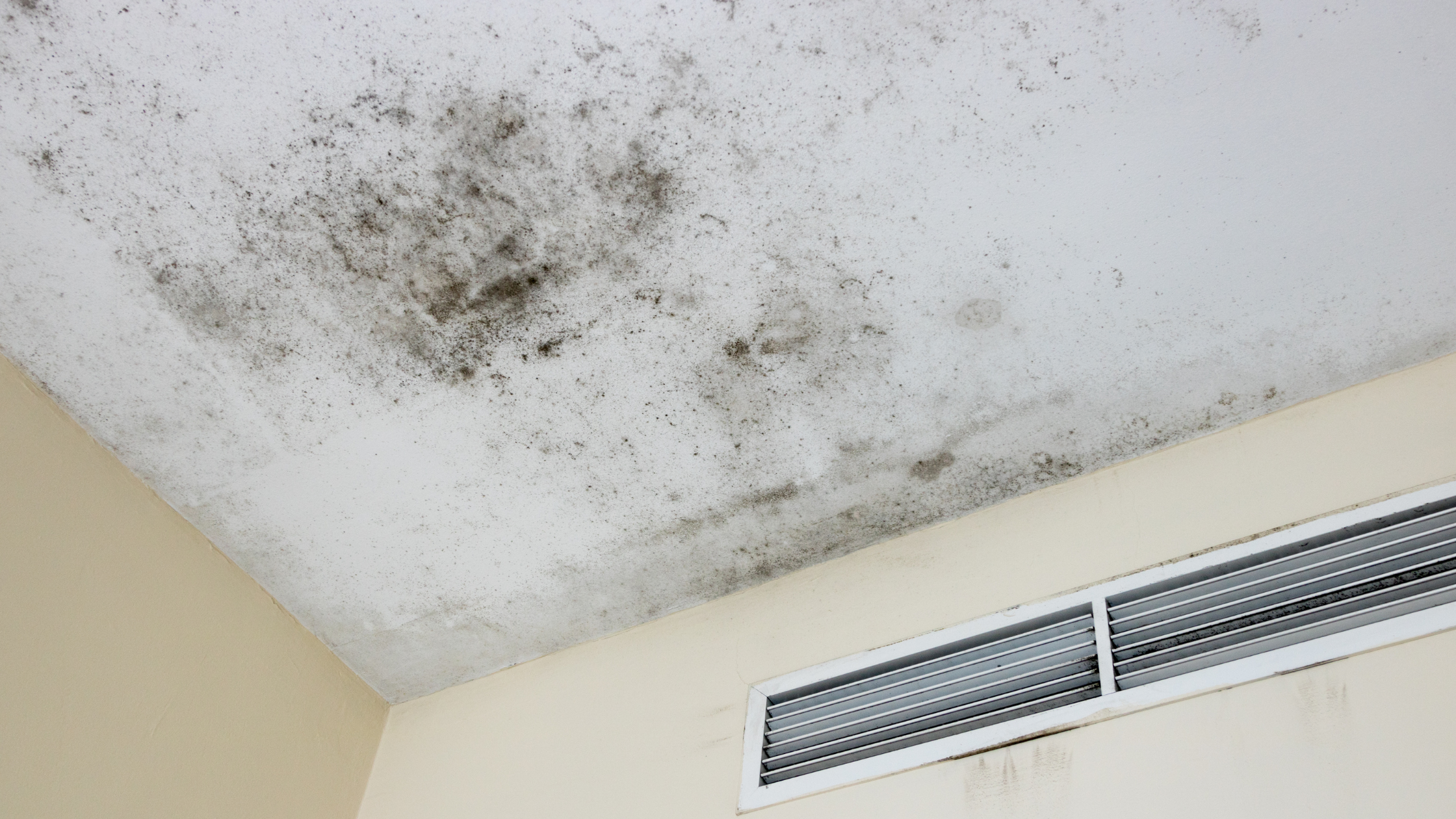
SAN FRANCISCO BASEMENT APARTMENTS AND MOLD
Mold on wall, floor, and back of headboard. Most of San Francisco’s neighborhoods were built in the decades after the great earthquake and fire of 1906. The designs of these homes were surprisingly similar. Ground floors generally had a large

Locally Owned

Immediate Service

Highly Certified

Focus On Education
Call Us Today!
Available 7AM – 7PM